GNSS is powerful but vulnerable
Almost every vehicle on Earth today depends on GNSS (Global Navigation Satellite Systems) . They are efficient, rapid, and accurate. But the systems are fragile.
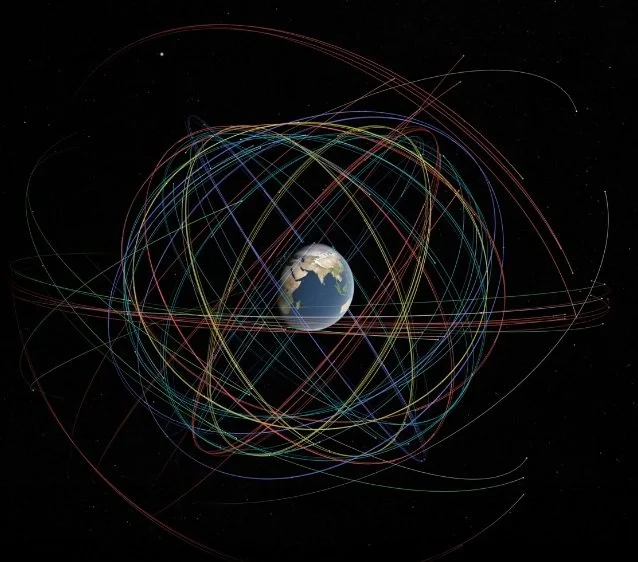
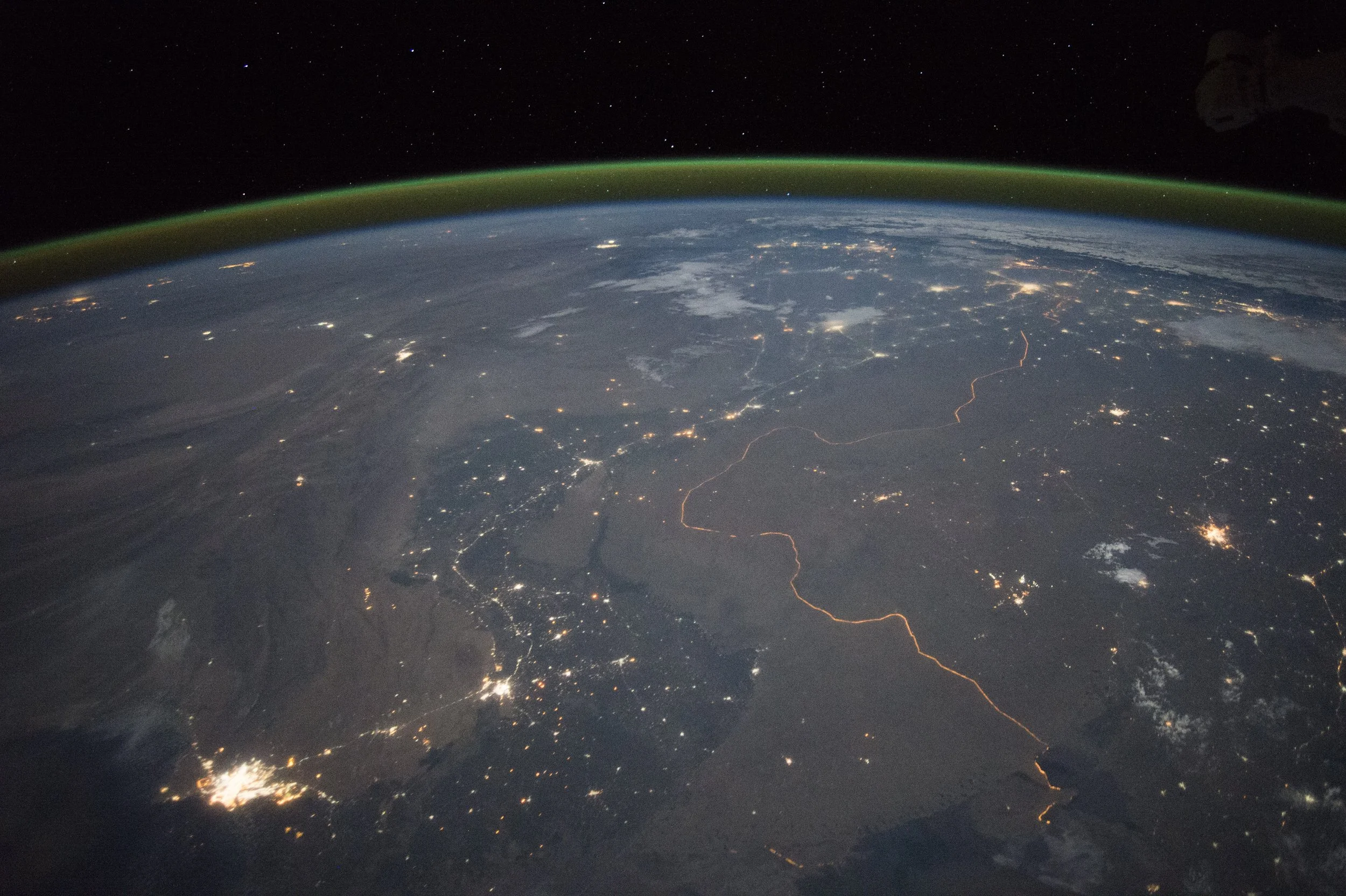
NASA: https://svs.gsfc.nasa.gov/5627There are three main issues for all GNSS systems:
1. Intentional jamming and spoofing
2. Overcrowding of satellite space
3. Vulnerability to solar radiation
1. GNSS Signal Jamming/Spoofing
GNSS systems (GPS, Galileo, BeiDou, GLONASS) transmit on an ultra-high L-band (1.16–1.61 GHz) frequency, using only 10^(-16) watts.
These signals are readily jammed using terrestrial or satellite-based transmitters of much greater strength.
SatNav systems are also vulnerable to being overwhelmed by deliberately false signals. The receiver listens for signals from several satellites. From their arrival times, it estimates latitude, longitude. altitude, clock error.
A spoofer imitates those satellite signals but alters their apparent timing or navigation data.
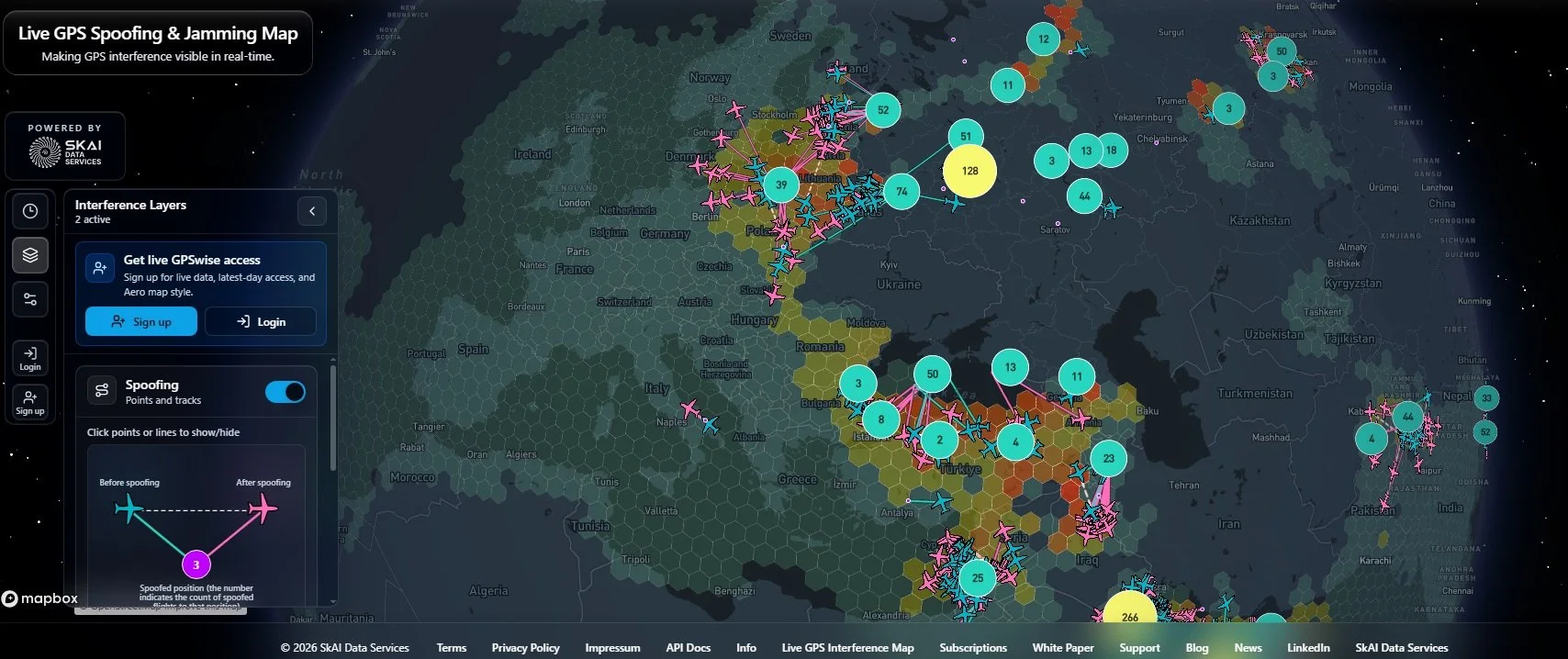
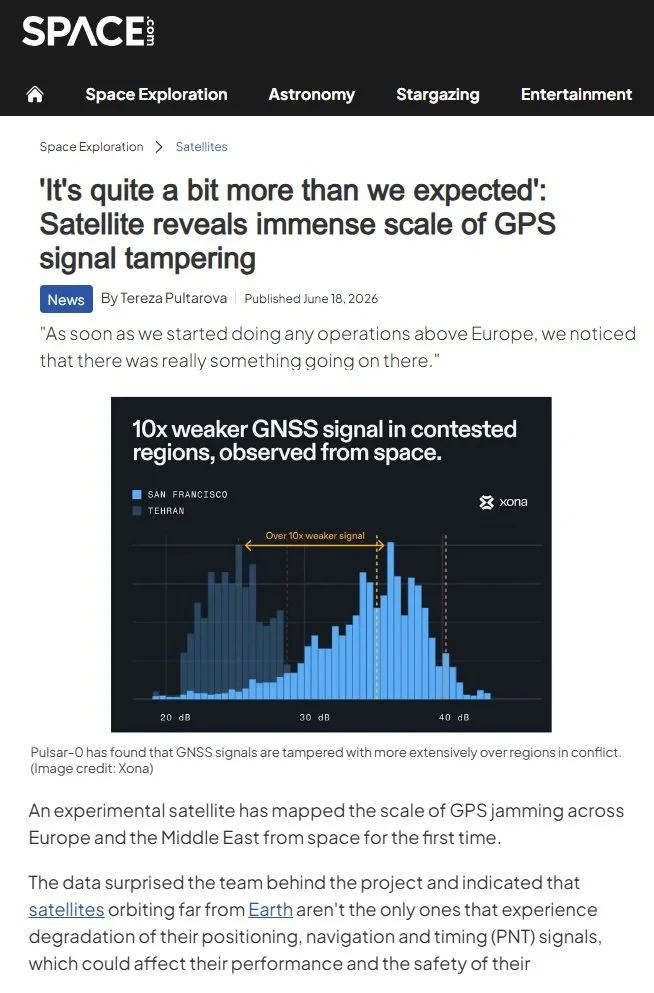
https://infinidome.com/gps-jamming-map/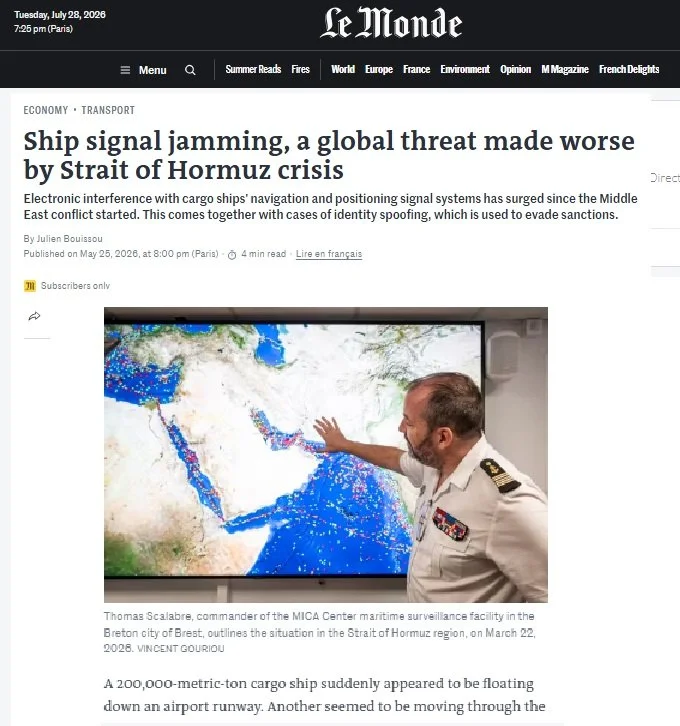
2. Kessler syndrome / collision cascade
The number of satellites orbiting the Earth has dramatically increased over the last 25 years.
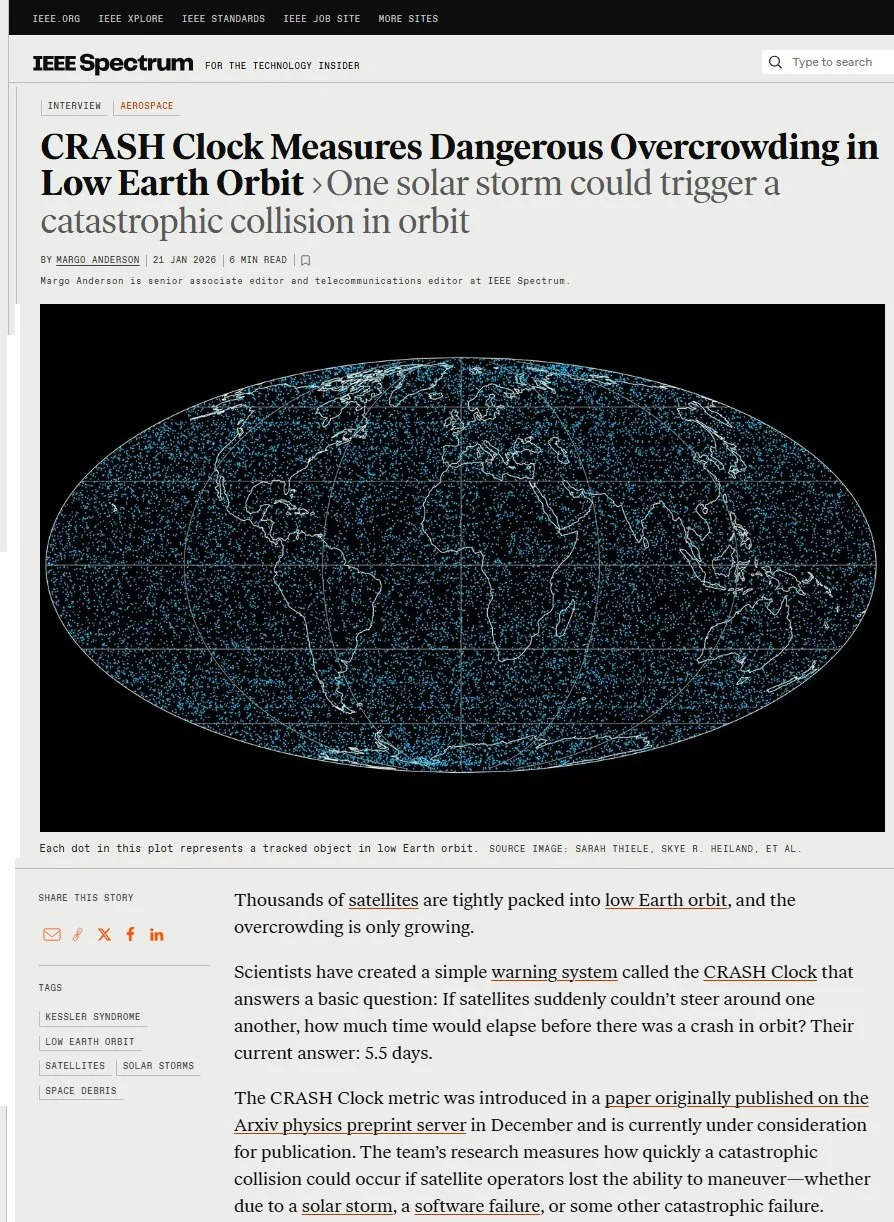
The physical proximity of the satellites and their physical fragility makes them particularly vulnerable to the cascading effect of a series of collsions, which would multiply as the debris from each collision creates more projectiles.
Currently there are more than 46,000 tracked objects in orbit, many being debris fragments. In 2009 the Iridium 33 struck the defunct Russian satellite Kosmos 2251. The collision generated more than 2,000 fragments. More recently the 2024 breakup of a Chinese Long March 6A upper stage released thousands of additional fragments.
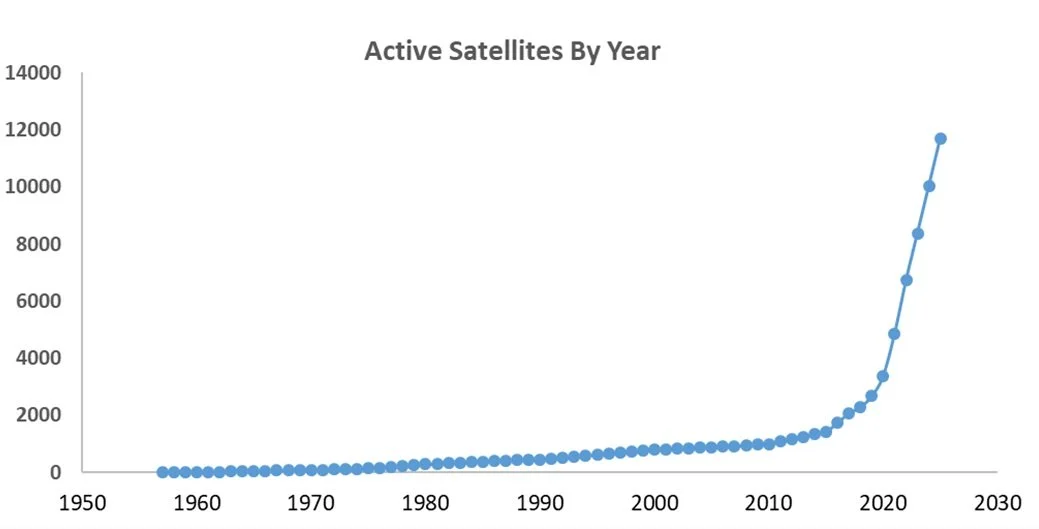
Data: Union of Concerned Scientists Database. https://blog.ucs.org/syoung/how-many-satellites-are-in-space-the-spike-in-numbers-continues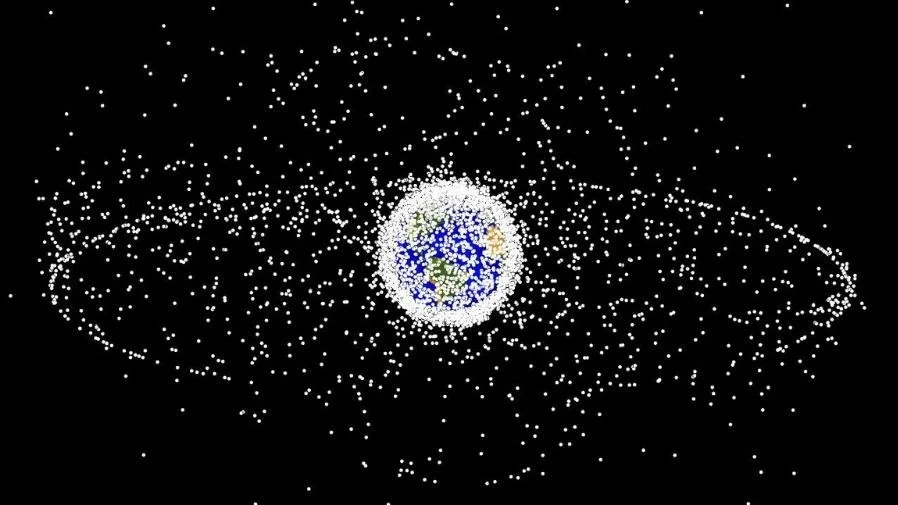
3. Carrington event / solar flare
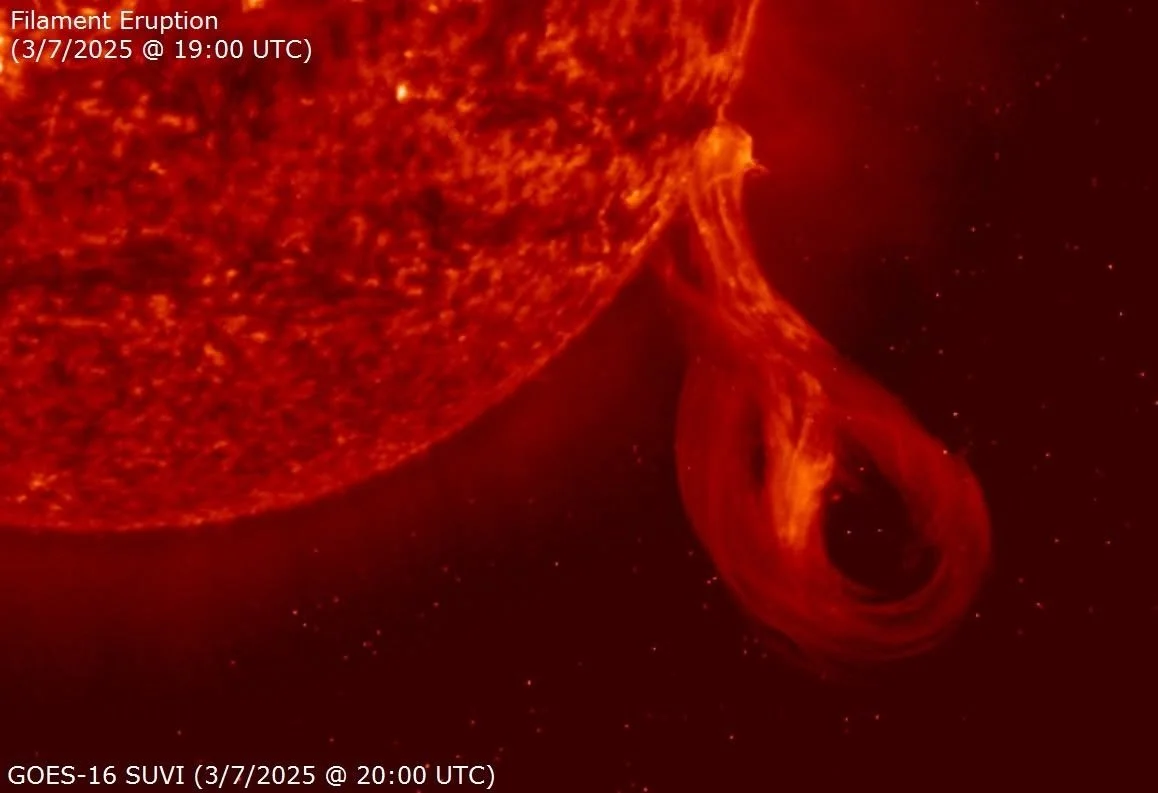
A solar flare is a burst of X-rays and extreme-ultraviolet radiation. That radiation reaches Earth in about eight minutes and suddenly increases ionization in the upper atmosphere on the daylight side of Earth.
A solar flare can cause an almost immediate radio blackout on Earth’s sunlit side. The associated coronal mass ejection may arrive one to several days later and disturb the ionosphere, causing widespread GNSS degradation lasting hours or days.
Receivers may suffer large positioning errors, lose lock, or become temporarily unusable. The satellites themselves can also experience radiation damage, charging and degraded electronics.
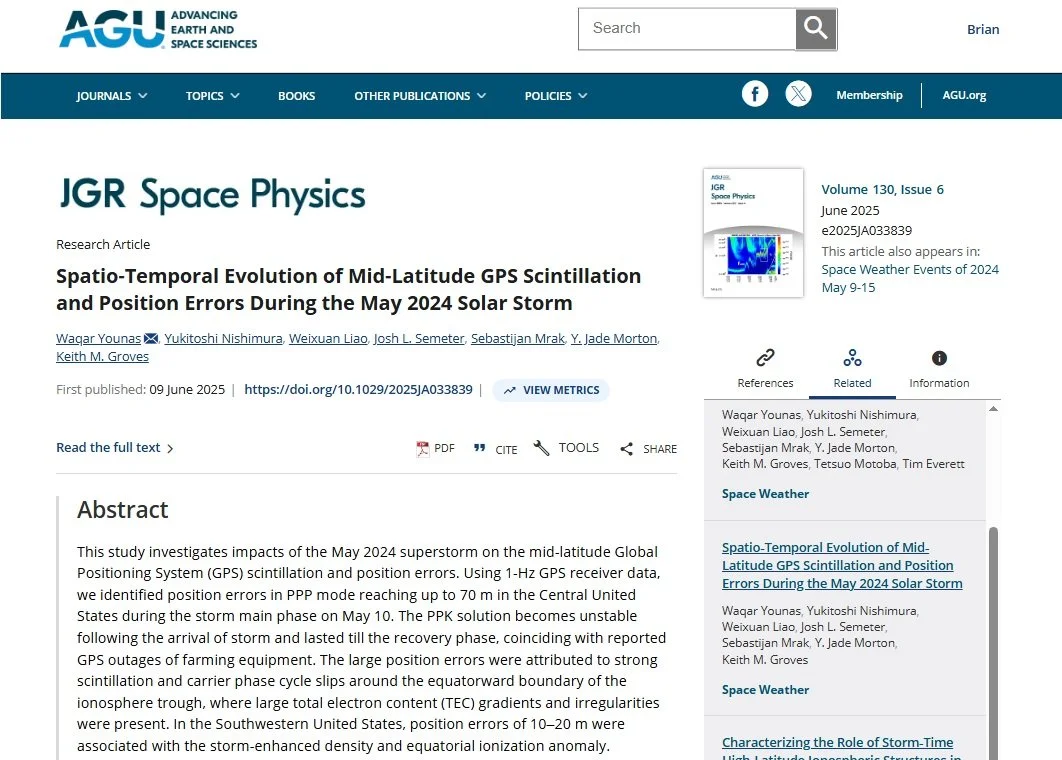
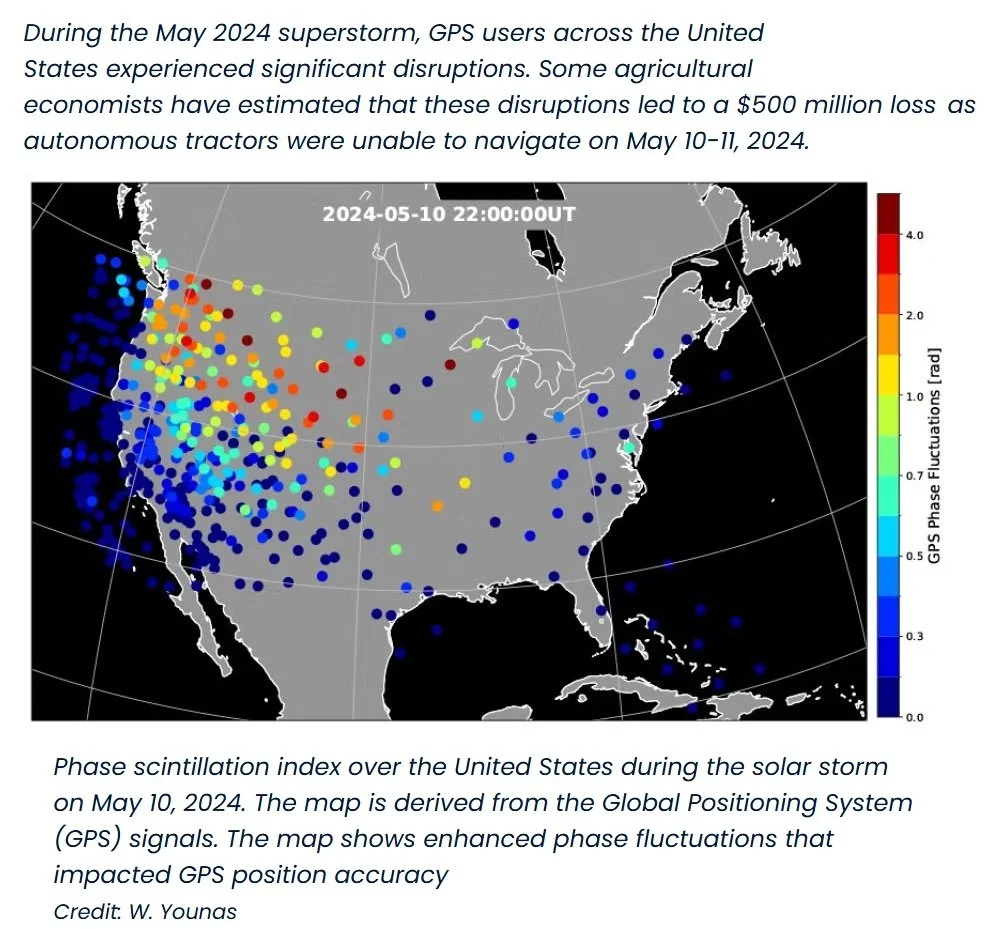
A mild solar storm (“Gannon”) in 2024 altered GPS reception in the US and Europe. A larger storm would damage satellites and receivers.